Archives
- 2026-11
- 2026-10
- 2026-09
- 2026-08
- 2026-07
- 2026-06
- 2026-05
- 2026-04
- 2026-03
- 2026-02
- 2026-01
- 2025-12
- 2025-11
- 2025-10
- 2025-09
- 2025-03
- 2025-02
- 2025-01
- 2024-12
- 2024-11
- 2024-10
- 2024-09
- 2024-08
- 2024-07
- 2024-06
- 2024-05
- 2024-04
- 2024-03
- 2024-02
- 2024-01
- 2023-12
- 2023-11
- 2023-10
- 2023-09
- 2023-08
- 2023-07
- 2023-06
- 2023-05
- 2023-04
- 2023-03
- 2023-02
- 2023-01
- 2022-12
- 2022-11
- 2022-10
- 2022-09
- 2022-08
- 2022-07
- 2022-06
- 2022-05
- 2022-04
- 2022-03
- 2022-02
- 2022-01
BMN 673 (Talazoparib): Next-Generation PARP1/2 Inhibition...
2025-09-30
This thought-leadership article synthesizes cutting-edge mechanistic insights and translational strategies around BMN 673 (Talazoparib), a potent and selective PARP1/2 inhibitor, with a focus on exploiting homologous recombination deficiency, PARP-DNA complex trapping, and PI3K pathway modulation. Integrating recent discoveries on BRCA2’s role in RAD51 filament stability and the consequences of PARP1 retention, we provide actionable guidance for researchers aiming to drive innovation in precision oncology. Unlike standard product overviews, this article critically examines the evolving landscape of PARP inhibition, resistance mechanisms, and strategic avenues for next-generation research in small cell lung cancer and beyond.
Ferrostatin-1 (Fer-1): Next-Generation Strategies for Tar...
2025-09-29
Explore how Ferrostatin-1 (Fer-1), a selective ferroptosis inhibitor, empowers advanced research into iron-dependent oxidative cell death. This article uniquely focuses on translational applications, combinatorial strategies, and mechanistic integration of Fer-1 in cancer, neurodegenerative, and ischemic injury models.
Asunaprevir (BMS-650032): A Paradigm for Targeted HCV NS3...
2025-09-28
Explore how Asunaprevir (BMS-650032), a potent HCV NS3 protease inhibitor, is shaping the next generation of antiviral agents through its unique molecular targeting and hepatotropic distribution. This article uncovers advanced applications and mechanistic insights that extend beyond traditional hepatitis C virus research.
10 mM dNTP Mixture: Precision Substrate Engineering for N...
2025-09-27
Explore the scientific edge of the 10 mM dNTP mixture as an equimolar DNA synthesis reagent, with a unique focus on its role in optimizing intracellular DNA delivery and polymerase-driven applications. Discover advanced molecular insights and practical protocols not covered in standard guides.
DRB (HIV Transcription Inhibitor): Redefining CDK Inhibit...
2025-09-26
Explore how 5,6-Dichloro-1-β-D-ribofuranosylbenzimidazole (DRB) uniquely inhibits CDKs to modulate HIV transcription and cell fate transitions. This in-depth analysis reveals novel intersections with phase separation biology, setting it apart from existing DRB reviews.
Biotin-tyramide in Nuclear Architecture Mapping: Amplifyi...
2025-09-25
Explore how biotin-tyramide powers advanced tyramide signal amplification for high-resolution mapping of nuclear architecture and chromatin activity. Discover unique scientific perspectives that extend beyond conventional imaging applications.
Pioglitazone and PPARγ: Beyond Metabolism—Innovations in ...
2025-09-24
Explore the advanced applications of Pioglitazone, a potent PPARγ agonist, in modulating inflammation, immune cell polarization, and neuroprotection. This article uniquely examines Pioglitazone's mechanistic role in disease models, offering new insights for type 2 diabetes mellitus research and beyond.
Filipin III: Advanced Cholesterol-Binding Probe for Membr...
2025-09-23
Explore the applications of Filipin III, a polyene macrolide antibiotic, as a cholesterol-binding fluorescent antibiotic for precise membrane cholesterol visualization. This article highlights its molecular specificity, technical handling, and its emerging role in integrative membrane lipid raft research.
br Experimental section br Introduction
2025-03-03
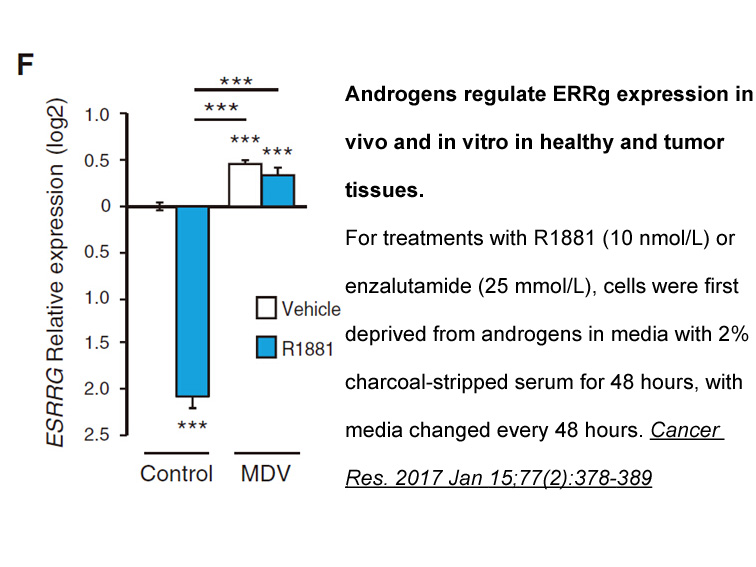
Experimental section Introduction Microglia were discovered as a novel cell population in CD 1530 in 1933 by a Spanish physician and histologist Pío del Río-Hortega [1]. In the eye, scientists used Hortega's staining technique to label the microglia in the retinal outer plexiform layer (OPL)
Blockers will reduce perioperative myocardial ischemia and s
2025-03-03
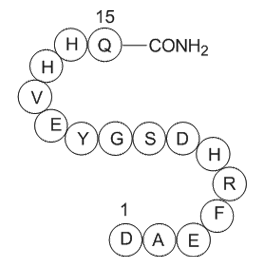
β-Blockers will reduce perioperative myocardial ischemia and studies published in the 1990s suggested that their routine administration before surgery provided protection against perioperative CV complications.31., 32., 33. Based on these early studies, several national organizations endorsed the pe
AdipoRon acts on the anti diabetic effects of
2025-03-03
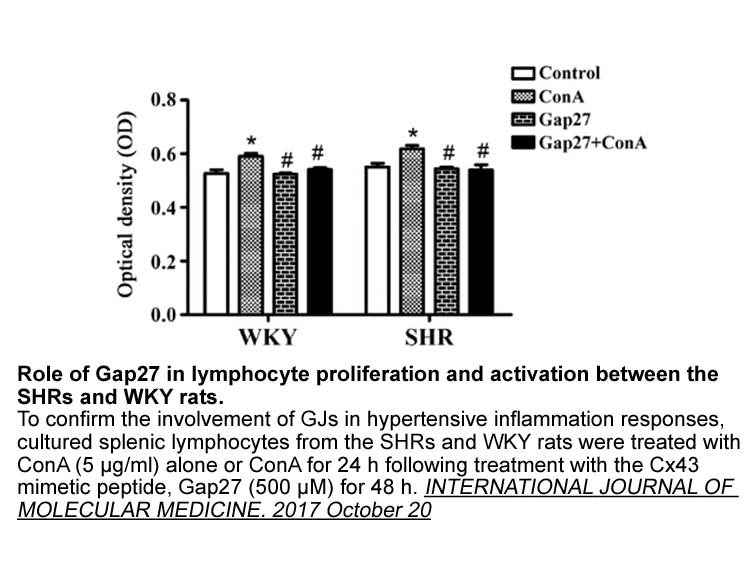
AdipoRon acts on the anti-diabetic effects of adiponectin, exhibiting its effect through the activation of AMPK and PPARα pathways via AdipoR1 and AdipoR2, respectively [23]. AdipoR activation is a promising treatment for diabetes, nonalcoholic fatty liver disease, and cardiovascular disease, demons
Introduction hydroxytryptamine HT is found throughout the bo
2025-03-03
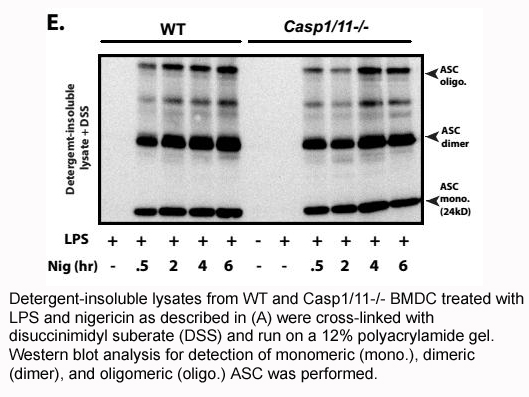
Introduction 5-hydroxytryptamine (5-HT) is found throughout the body and influences smooth muscle activity in various tissues including the intestine, vasculature and urinary dopamine receptor antagonist (Kim and Camilleri, 2000, Klarskov and Horby-Petersen, 1986, Mohammad-Zadeh et al., 2008). The
In the late s Solvay Pharmaceuticals discontinued the Phase
2025-03-03
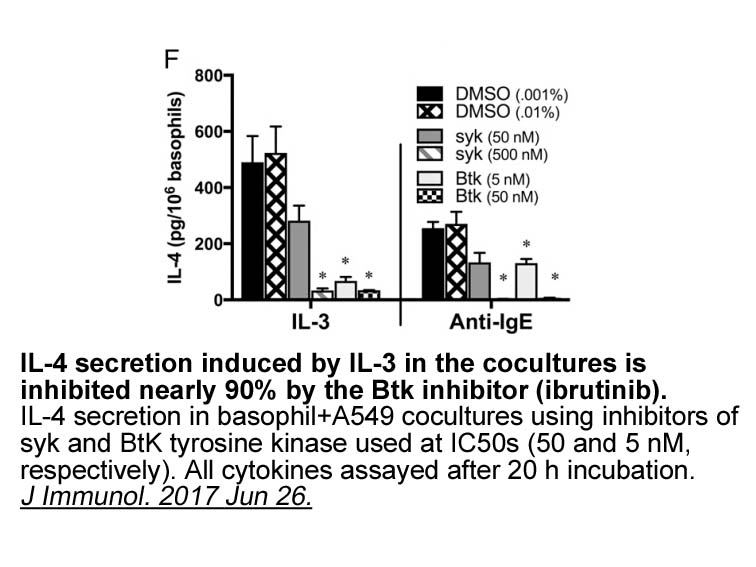
In the late ‘90s, Solvay Pharmaceuticals discontinued the Phase 2 development of a promising potent and highly selective A1AR antagonist based on the pyrrolopyrimidine scaffold, SLV320 [43] (2, Chart 1, also named derenofylline; Ki hA1AR = 1 nM), for the treatment of acute heart failure [24]. In the
Another open question is whether GABA and ACh are released
2025-03-03
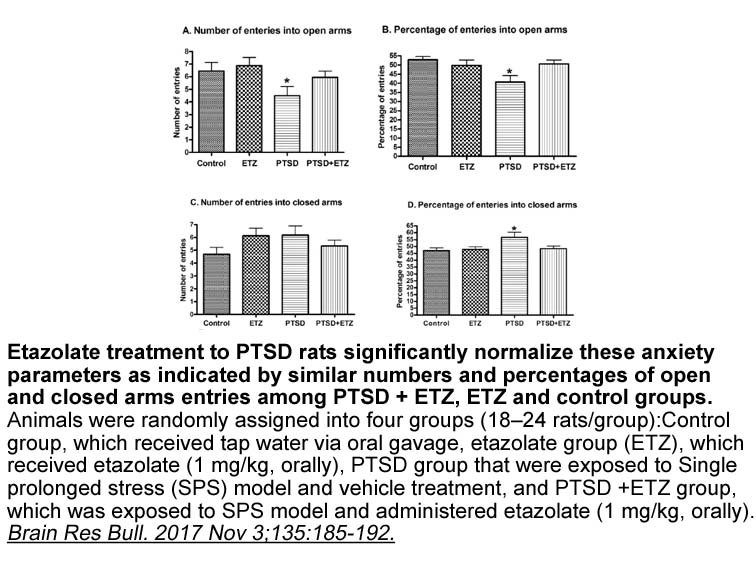
Another open question is whether GABA and ACh are released from the same synaptic vesicles, or even the same presynaptic terminals. Multi-transmitter neurons may either function through co-release, in which multiple neurotransmitters are packaged into the same presynaptic terminal and are therefore
STF 31 br ACh and ER tests hereafter Spasm provocation tests
2025-03-03
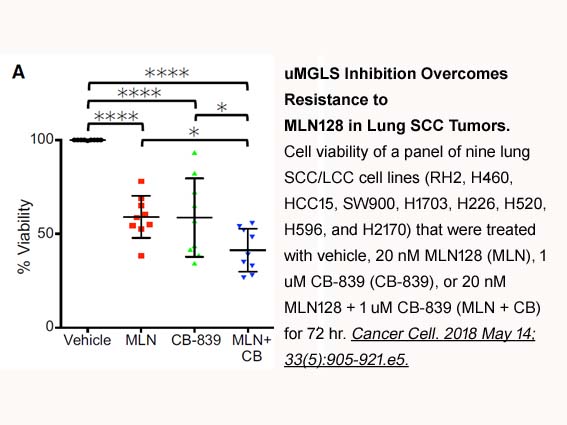
ACh and ER tests hereafter Spasm provocation tests have self-limitations to document coronary artery spasm during daily life. In the past reports, ST elevation was reproducible in some patients with variant STF 31 by the administration of ACh or ER. However, we now employ the ER and ACh spasm pro
8714 records 43/581 page Previous Next First page 上5页 4142434445 下5页 Last page