Archives
- 2026-09
- 2026-08
- 2026-07
- 2026-06
- 2026-05
- 2026-04
- 2026-03
- 2026-02
- 2026-01
- 2025-12
- 2025-11
- 2025-10
- 2025-09
- 2025-03
- 2025-02
- 2025-01
- 2024-12
- 2024-11
- 2024-10
- 2024-09
- 2024-08
- 2024-07
- 2024-06
- 2024-05
- 2024-04
- 2024-03
- 2024-02
- 2024-01
- 2023-12
- 2023-11
- 2023-10
- 2023-09
- 2023-08
- 2023-07
- 2023-06
- 2023-05
- 2023-04
- 2023-03
- 2023-02
- 2023-01
- 2022-12
- 2022-11
- 2022-10
- 2022-09
- 2022-08
- 2022-07
- 2022-06
- 2022-05
- 2022-04
- 2022-03
- 2022-02
- 2022-01
-
br Acknowledgments This work was funded by NIH Grant R
2022-07-07
Acknowledgments This work was funded by NIH Grant 2R01 MH066958 (JGT) and NSF CAREER award IOS- 1053716 (NV). We thank Dr. Greti Aguilera for the generous gift of the GRE-Luciferase construct and Dr. Louis Muglia for the generous gift of the GR-GFP construct. Introduction Prostate cancer (PCa
-
br Acknowledgements This work was supported
2022-07-07
Acknowledgements This work was supported by a fellowship to C.H. under the ‘100 Foreign Expert’ scheme of the Shanxi province government(R100456). Conflict of interest: Dr. Holscher is a named inventor on a patent submitted by Lancaster University on the use of dual GLP-1/GIP analogues in neurode
-
Given the estimated number of NSVDC channels in a red
2022-07-07
Given the estimated number of 150–300 NSVDC channels in a red cell [7] and a single channel conductance of 30 pS at physiological salt concentrations [6], the maximum conductance observed in intact red BTB06584 indicate either a very low open state probability, in the order of 10−3 or a far lower u
-
With rare exceptions the biological role of
2022-07-07
With rare exceptions, the biological role of γ-secretase cleavage of substrates other than Notch 1 has been ignored during proof of concept preclinical repurposing studies. For example, in the GSI AD trial, many individuals noted changes in hair color, apparently due to inhibition of tyrosinase, ano
-
Methoxyflavone and methoxyflavanone Fig both
2022-07-07
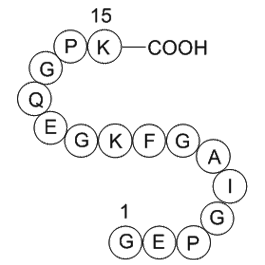
6-Methoxyflavone and 6-methoxyflavanone (Fig. 2) both act as flumazenil-insensitive positive allosteric modulators of GABA responses at human recombinant α1β2γ2L and α2β2γ2L GABAA receptors. However, unlike 6-methoxyflavone, 6-methoxyflavanone was relatively inactive at α1β2 GABAA receptors. Both fl
-
actin inhibitor The effect of on the conformational of
2022-07-07
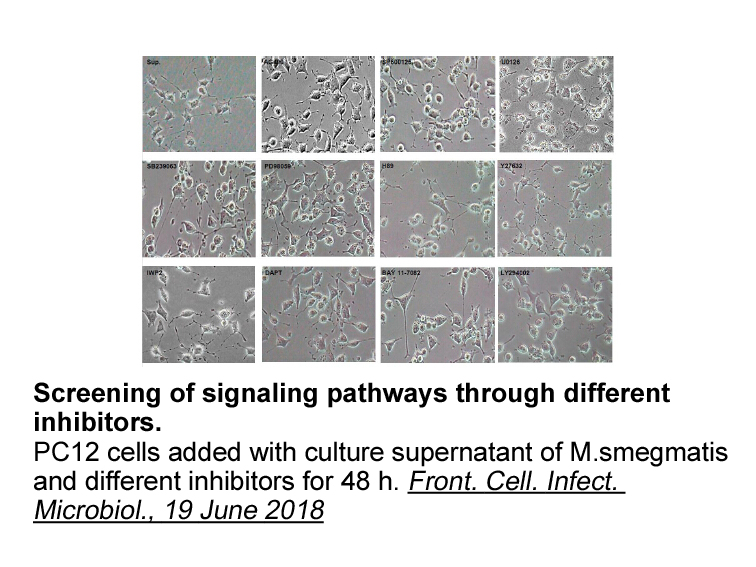
The effect of on the conformational of G-quadruplexes was investigated with circular dichroism (CD) spectroscopy. In the absence of , the CD spectra of parallel G-quadruplex exhibited a characteristic positive peak at about 265 nm, and a negative peak at about 240 nm; antiparallel G-quadruplex sh
-
br STAR Methods br Acknowledgments We would like
2022-07-07
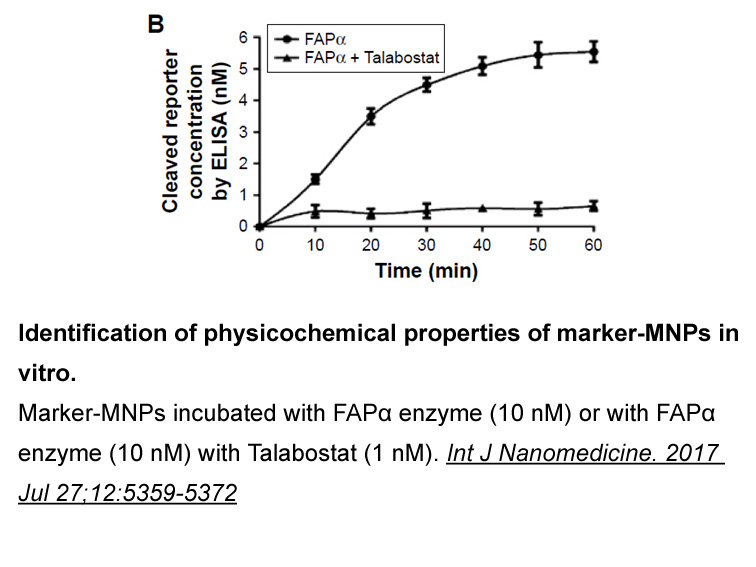
STAR★Methods Acknowledgments We would like to thank V. Gladyshev (Harvard), H. Kornblum (UCLA), L. Greene (Columbia), and J. Baraban (Johns Hopkins) for constructive comments to the project and manuscript. We thank L. Gross and A. Kumar for assistance with editing. We thank L.M. Gerber and Z.
-
In addition JMJ proteins respond to biotic stress and
2022-07-06
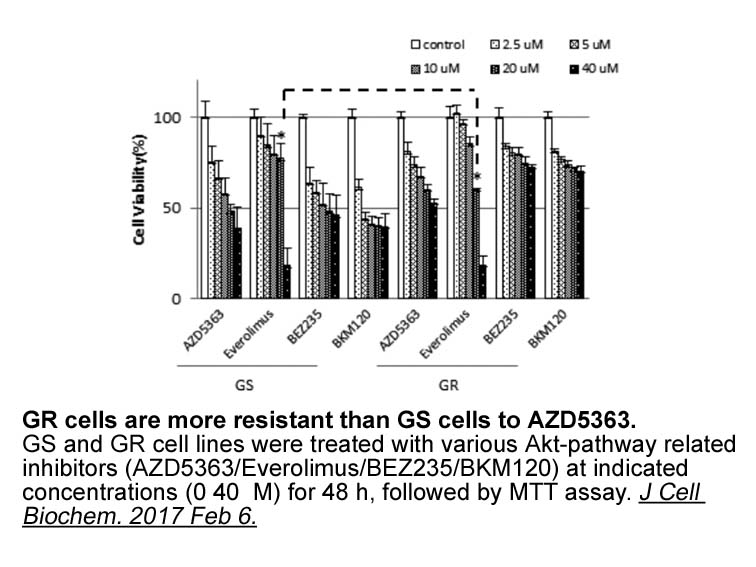
In addition, JMJ proteins respond to biotic stress and abiotic stress in plants. Rice genes OsJMJ704 and OsJMJ705, which have demethylase activities of H3K27me2/3 and H3K4me2/3, respectively, regulate defense-related genes and affect the defense ability of rice against bacterial pathogen Xoo (Li et
-
One class of microbial derived metabolites
2022-07-06
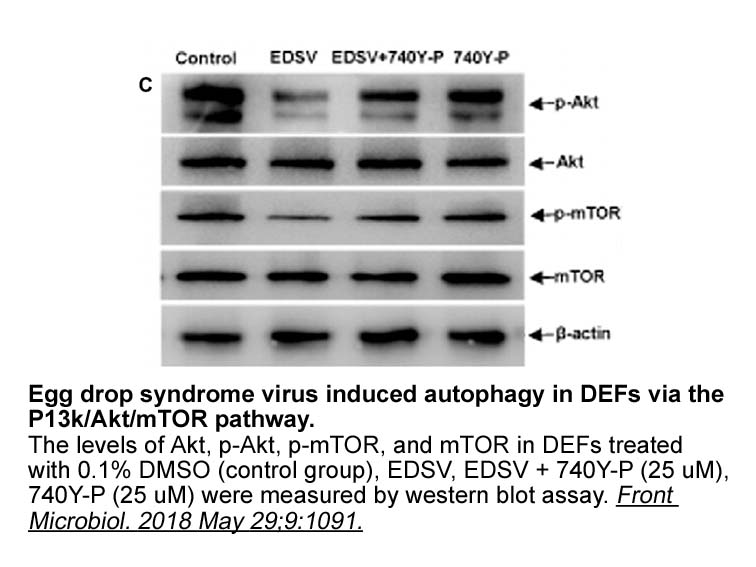
One class of microbial-derived metabolites that have received significant attention are the short-chain fatty acids (SCFA), which include butyrate, acetate and propionate. The production of SCFA occurs in the colon following microbial fermentation of dietary fibers and SCFA can also be consumed in c
-
11-dUTP sale Though studied less extensively than in cholang
2022-07-06
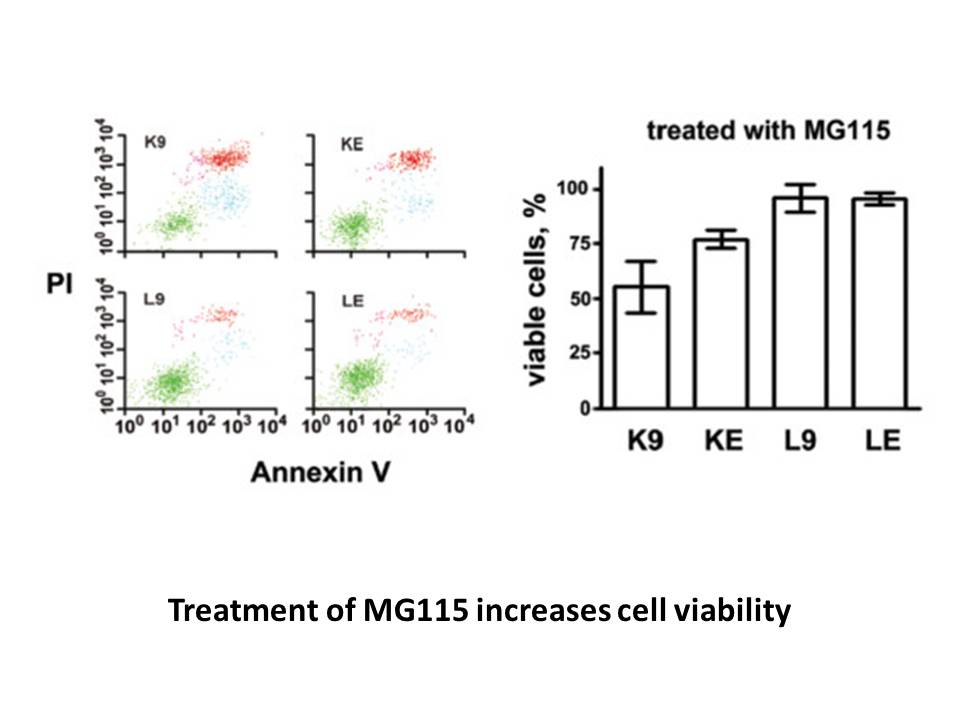
Though studied less extensively than in cholangiopathies and fatty liver diseases, the Hh pathway is active in other forms of human liver disease, such as Schistosomiasis[58], [101] and chronic viral hepatitis,[100], [125] as well as in several animal models of liver disease, including drug-induced
-
br Ethical approve and consent to participate br Consent for
2022-07-06

Ethical approve and consent to participate Consent for publication Availability of supporting data Competing interests Funding This work was supported by a grant from Key Program of National Natural Science Foundation of China (No. 81330089) and the Shanghai Science and Technology Fun
-
br Conclusion br Disclosure of interest br Acknowledgement
2022-07-06
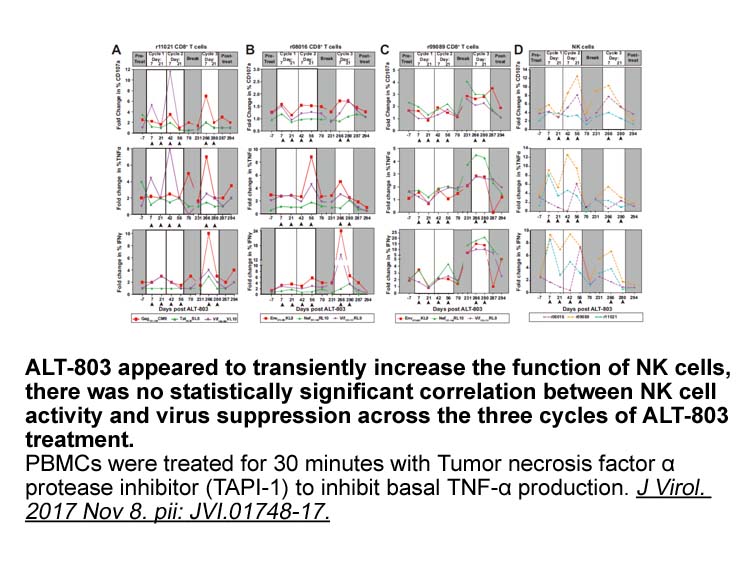
Conclusion Disclosure of interest Acknowledgement Introduction Vitamin B6 has long been recognized as a cofactor for many enzymes, especially those involved in amino thiotepa synthesis metabolism. Apart from its role as coenzyme, recent studies are unveiling a new role of vitamin B6 as
-
br Introduction Sister chromatid cohesion
2022-07-06
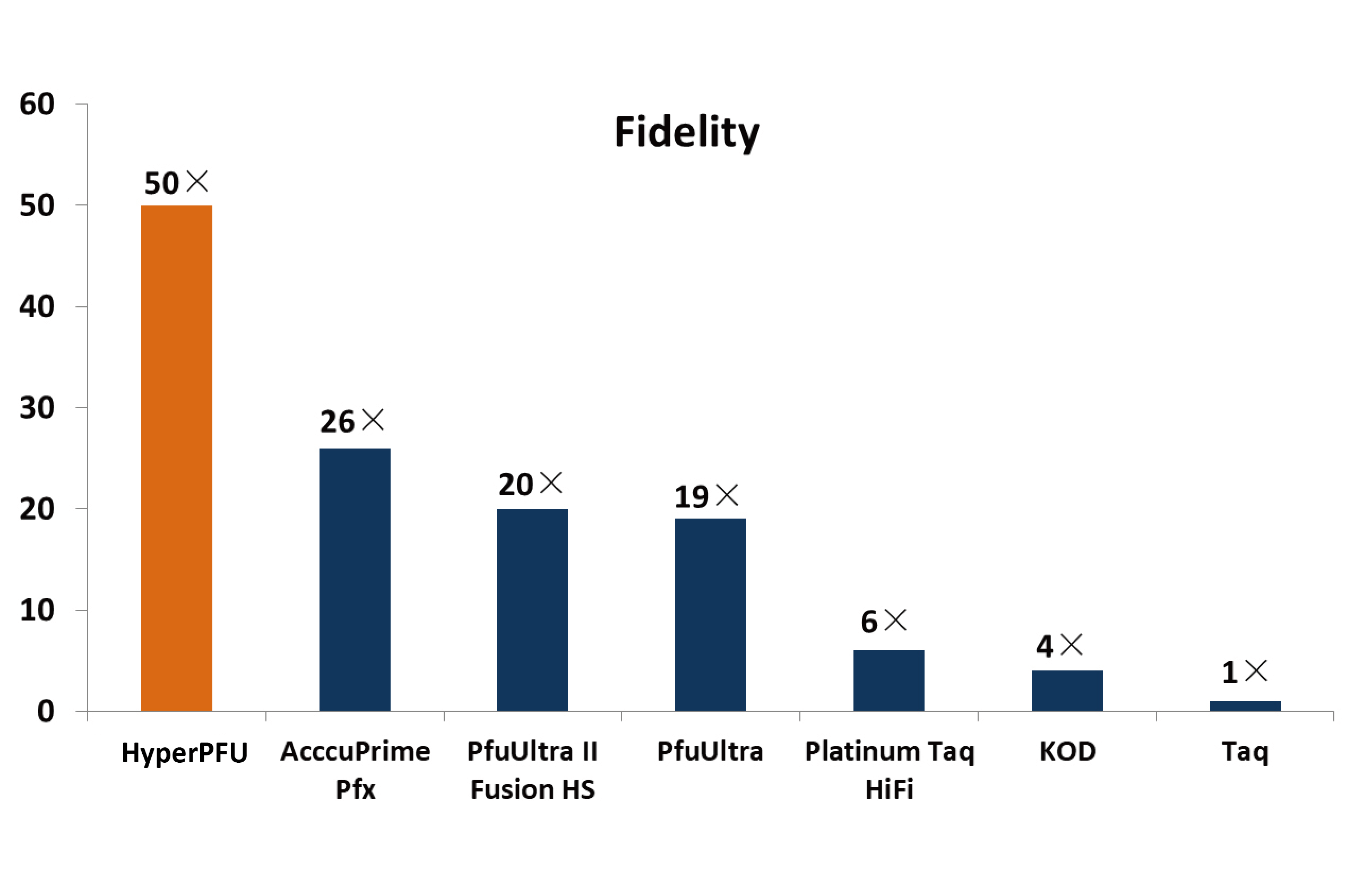
Introduction Sister-chromatid cohesion is established during DNA replication by a ring-shaped cohesin complex consisting of the core subunits Smc1, Smc3, Scc1, and SA1 or SA2, which recruit regulatory subunits Pds5 (Pds5A/B in vertebrates), Wapl, and Sororin to regulate the association of cohesin
-
br Soluble guanylyl cyclase nitric
2022-07-06

Soluble guanylyl cyclase, nitric oxide and nitric oxide synthase The primary and best-studied endogenous activator of soluble guanylyl cyclase (sGC) is nitric oxide (NO), which was originally describe as endothelium-derived relaxing factor for its potent ability to relax blood vessels in response
-
br Acknowledgments br Introduction Guanosine cyclic monophos
2022-07-06
Acknowledgments Introduction Guanosine 3′,5′-cyclic monophosphate (cGMP) is a signaling molecule with key roles in diverse (patho) physiological responses and processes in numerous prokaryotes and all eukaryotes. The number of reports stating the role of cGMP in different processes in plants i
8622 records 466/575 page Previous Next First page 上5页 466467468469470 下5页 Last page