Archives
- 2026-09
- 2026-08
- 2026-07
- 2026-06
- 2026-05
- 2026-04
- 2026-03
- 2026-02
- 2026-01
- 2025-12
- 2025-11
- 2025-10
- 2025-09
- 2025-03
- 2025-02
- 2025-01
- 2024-12
- 2024-11
- 2024-10
- 2024-09
- 2024-08
- 2024-07
- 2024-06
- 2024-05
- 2024-04
- 2024-03
- 2024-02
- 2024-01
- 2023-12
- 2023-11
- 2023-10
- 2023-09
- 2023-08
- 2023-07
- 2023-06
- 2023-05
- 2023-04
- 2023-03
- 2023-02
- 2023-01
- 2022-12
- 2022-11
- 2022-10
- 2022-09
- 2022-08
- 2022-07
- 2022-06
- 2022-05
- 2022-04
- 2022-03
- 2022-02
- 2022-01
-
The fine interplay among post
2022-06-24
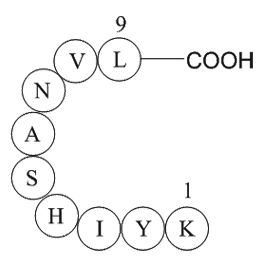
The fine interplay among post-translational modifications and intersection with other pathways, such as PI3K–AKT, has a crucial role in the regulation of GLI activity and in the generation of their repressor forms 40, 41, 42. In addition to β-TrCP, for example, other E3 ligases belonging to the real
-
Glucocorticoid is a major regulator
2022-06-24
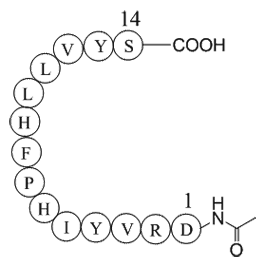
Glucocorticoid is a major regulator of body's response to stress (Armario, 2006). Repeated injections of the glucocorticoid corticosterone (CORT) in mice have been shown to produce an animal model of depression (Zhao et al., 2008). Further study of this phenomenon suggested that prolonged CORT expos
-
Lenvatinib is an orally available
2022-06-24
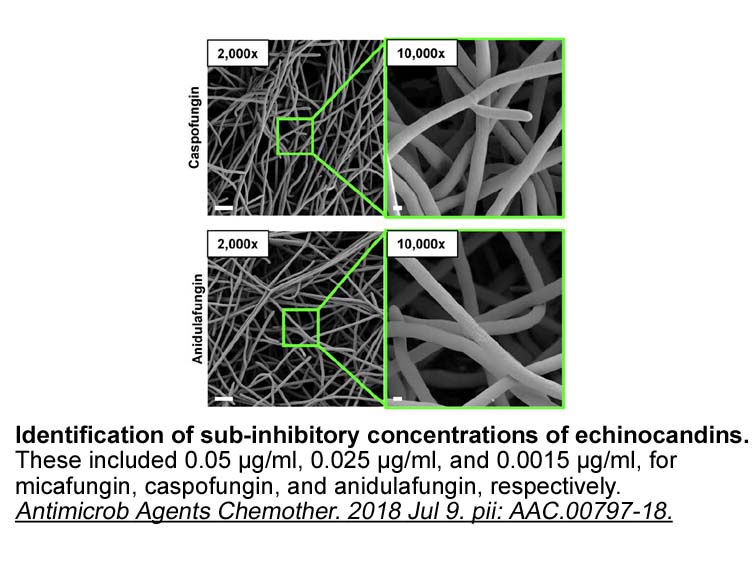
Lenvatinib is an orally available, multi-targeted tyrosine kinase inhibitor against VEGFR1–3, FGFR1–4, PDGFRα, RET, and KIT [11,12]. In a recent phase III trial for patients with previously untreated uHCC (REFLECT study), lenvatinib showed statistical non-inferiority of overall survival compared to
-
Recently they reported an enyne chemotype agonist Fig with l
2022-06-24
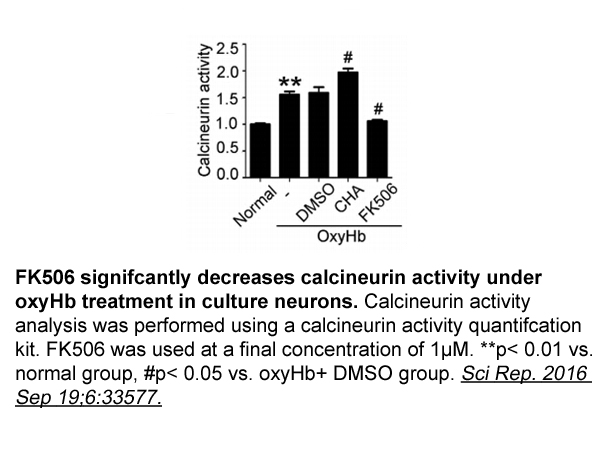
Recently, they reported an enyne chemotype agonist (21, Fig. 13) with low lipophilicity, small polar surface area (PSA) and high potency (Clog P=3.8, tPSA=37 A2, EC50=20nM), further derived from TUG-424. The compound endowed fast oral xpo 1 (tmax=15min) and a decent pharmacokinetic profile, a satis
-
Kif15-IN-1 Free fatty acids FFAs which are obtained from
2022-06-24
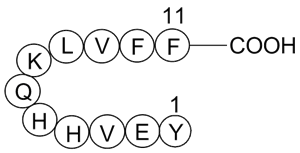
Free fatty acids (FFAs), which are obtained from dietary fat or endogenous synthesis, function as nutrients and signaling molecules. Studies have shown that free fatty Kif15-IN-1 receptors 1–4 which are G-protein coupled receptors, bind free fatty acids and serve as receptors for these FFAs. Short
-
The multiple sequence analysis showed that the putative
2022-06-24
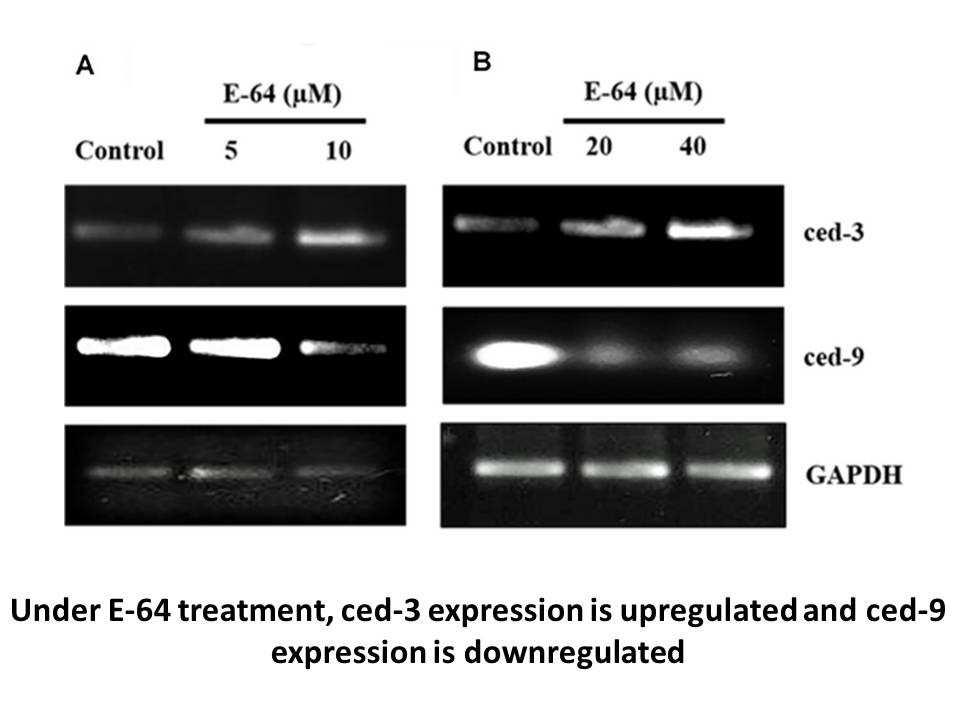
The multiple sequence analysis showed that the putative amino 4-aminopyridine sequence of HbFDP had 80–99% identity to the FDPs from H. brasiliensis, Lupinus and T. wilfordii, Malus×domestica, Centella asiatica, M. sativa, M.recutita, accession H. annuus, and A. thaliana. The present results are in
-
In non Hodgkin lymphoma the
2022-06-24
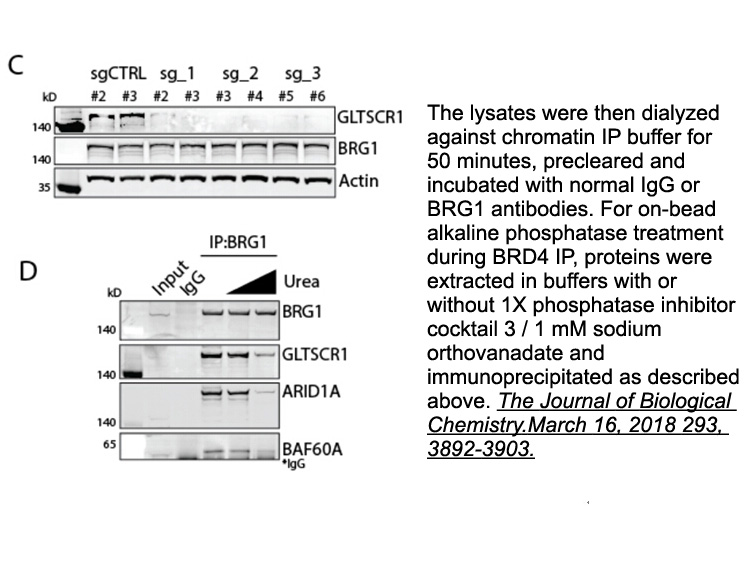
In non-Hodgkin lymphoma the catalytic SET domain of the histone methyltransferase EZH2 is subject to recurrent heterozygous missense mutations . These alterations have been observed in ∼20% of patients with diffuse large B cell lymphoma (DLBCL) and ∼10% of patients with follicular lymphoma (FL). The
-
br Nanoscale Cortical Actin Remodeling in Regulated
2022-06-24

Nanoscale Cortical Actin Remodeling in Regulated Exocytosis The network of cortical R547 is formed by numerous fine actin filaments, which are only about 10nm in diameter [52]. Although the microscale role of the cortical actin network in vesicle exocytosis is well established, the function of th
-
The present experimental study identified remarkable protect
2022-06-24
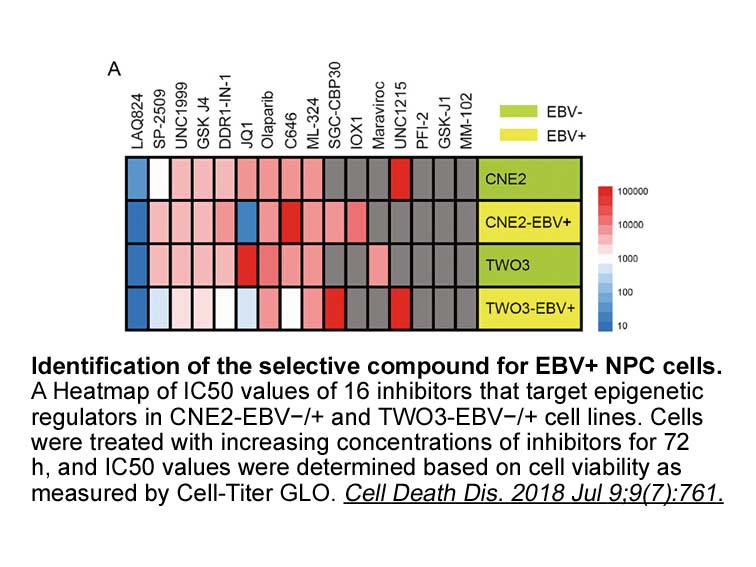
The present experimental study identified remarkable protective effects for celecoxib against renal toxicity caused by CSA. All aspects of CSA nephrotoxicity, functional, inflammatory, fibrotic, and structural, were improved by celecoxib. Mechanistically, pharmacological and immunostaining protein
-
Clarithromycin br Introduction Currently HIV infection treat
2022-06-24
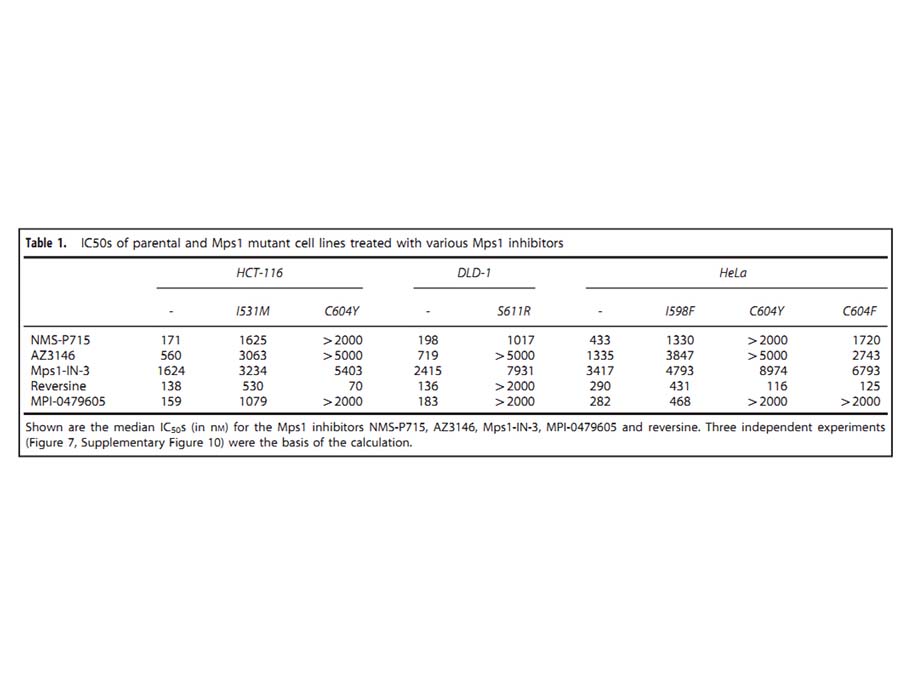
Introduction Currently, HIV-1 infection treatment guidelines adopted in USA and EU provide for the simultaneous administration of three antiretroviral drugs (HAART “Highly Active Anti-Retroviral Therapy”) in severely compromised patients [[1], [2], [3]]. Coupling at least two different mechanisms
-
One limitation of our study
2022-06-23
One limitation of our study was that all control dogs had histologic evidence of mild GI inflammation according to established WSAVA guidelines (Washabau et al., 2010), despite being apparently healthy purpose-bred research dogs housed in a controlled environment with no history of vomiting, diarrhe
-
br Acknowledgements This work was supported by NIH HL JHF
2022-06-23
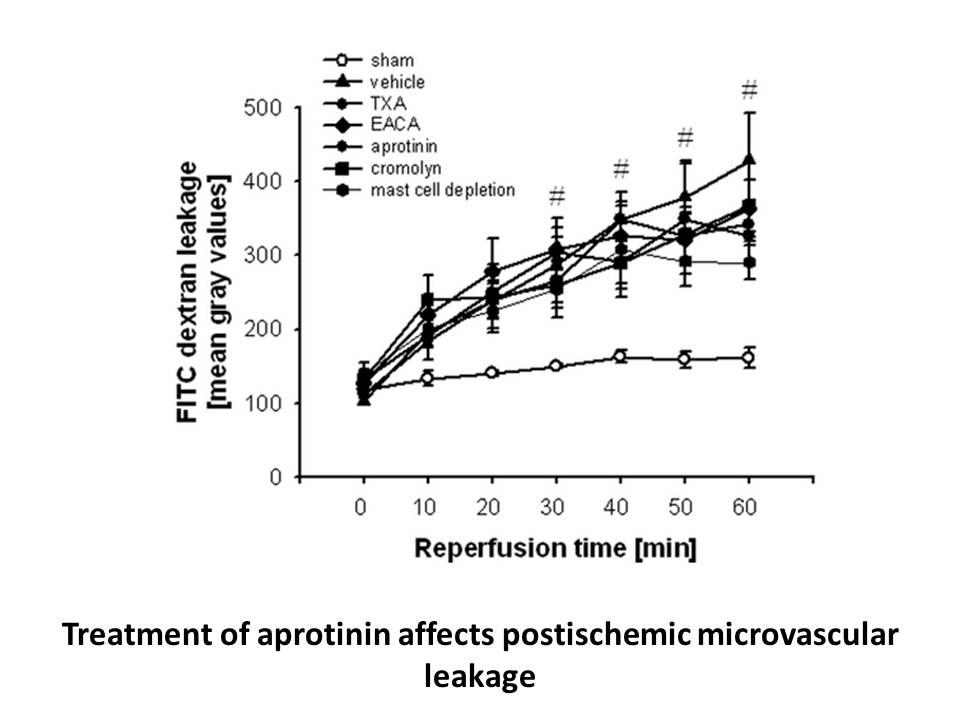
Acknowledgements This work was supported by NIH HL111674 (JHF), and the Antoinette E. (“Mimi”) & Herman Boehm Foundation (JK). The authors wish to acknowledge the valuable assistance of the Functional Genomics Core of the University of Colorado, Denver. Introduction The 21-gene recurrence sco
-
br Direct effect of HDACs on contractile function by deacety
2022-06-23
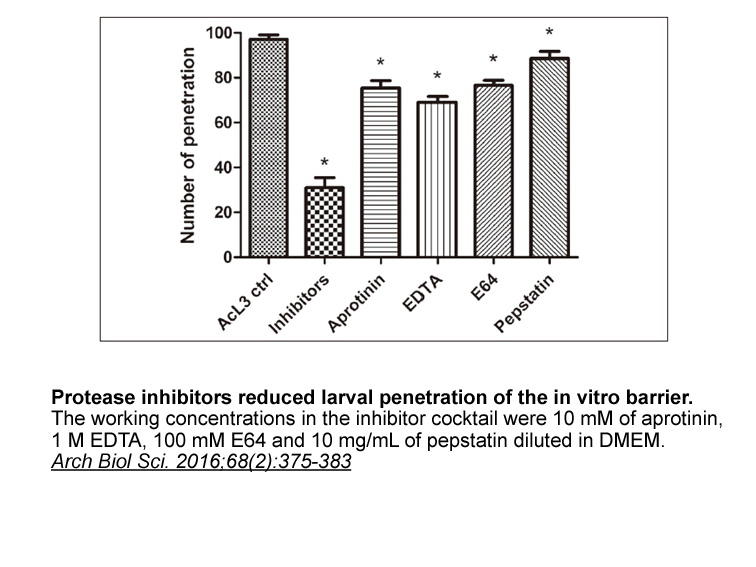
Direct effect of HDACs on contractile function by deacetylating cytoskeletal and contractile proteins Role of HDACs in electropathology by transcriptional reprogramming Next to deacetylation of α-tubulin by HDAC6 in experimental and human AF, there is also evidence for transcriptional reprogra
-
Unfortunately the approved drugs suffer from failure in
2022-06-23
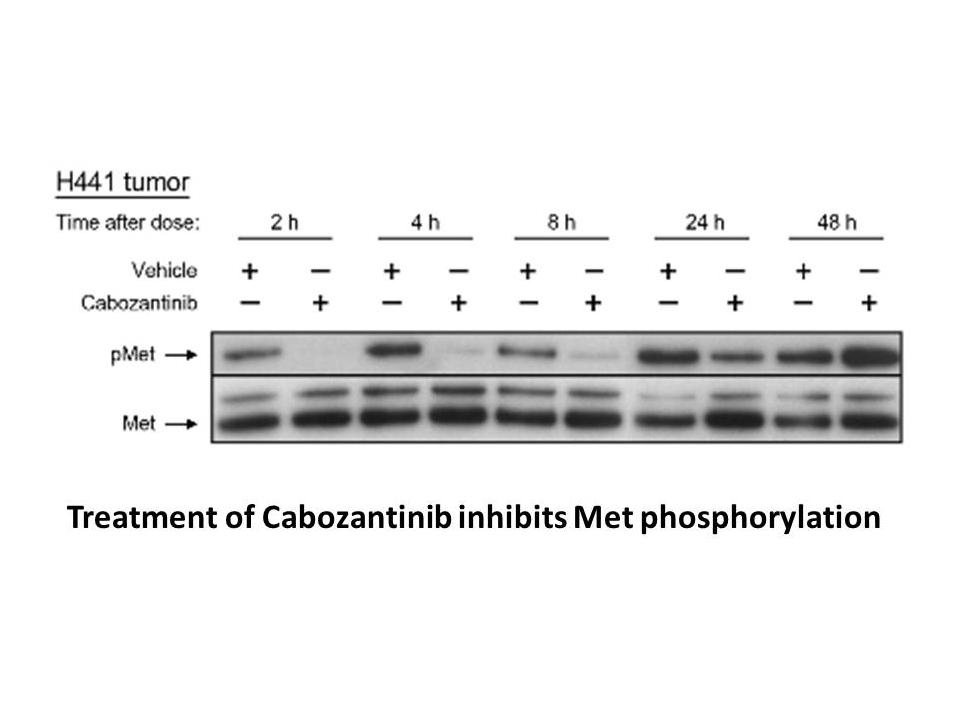
Unfortunately, the approved drugs suffer from failure in many cases [5,6]. Several mutations occur in the binding site of NS3/4A protease, which affect drug binding and cause drug resistance [13]. It is a big challenge and needs more efforts to be done. This is the reason why research is still conce
-
Previous reports have implicated the guanylin
2022-06-23
Previous reports have implicated the guanylin/GC-C signalling system as being important in osmoregulation in fish, especially in euryhaline species such as the eel which migrate between freshwater (FW) and seawater (SW) environments at different stages of their life cycle (Comrie et al., 2001a, Comr
8622 records 474/575 page Previous Next First page 上5页 471472473474475 下5页 Last page